
Toddler Lunch Ideas for Picky Eaters: Calm, Practical Meals That Feel Doable
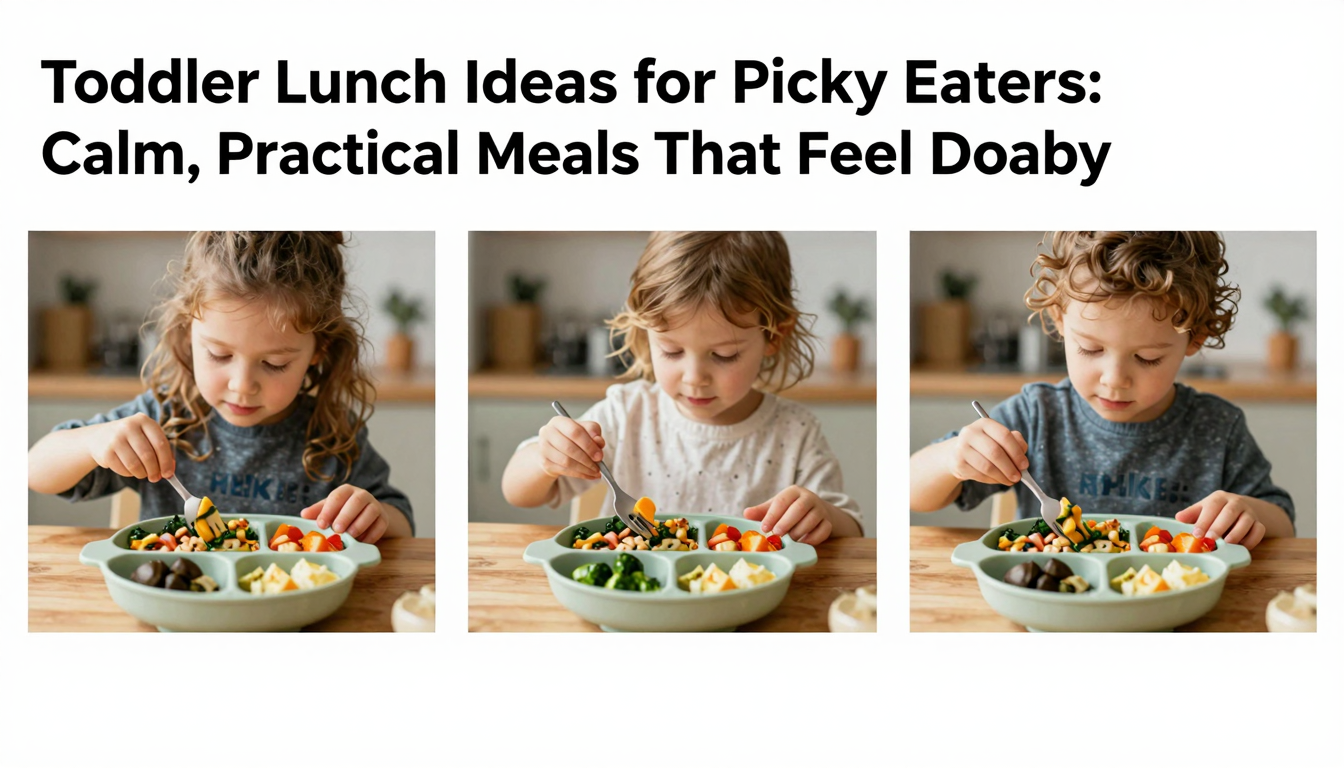
Toddler lunch can feel surprisingly emotional when your child rejects the same food they loved yesterday, eats only beige things, or asks for snacks five minutes after lunch ends. If you are searching for toddler lunch ideas for picky eaters, the goal is not to create perfect meals or win every bite. The goal is to offer safe, nourishing, familiar-enough lunches with tiny openings for new foods, while keeping the table as calm as you can.
Picky eating is common in toddlerhood. Appetite can shift with growth, teething, sleep, illness, and the normal push for independence. Lunch works best when it is predictable, low-pressure, and easy for small hands to manage. Think small portions, soft textures, familiar foods, and one gentle variety item instead of a plate full of surprises.
Start With a Low-Pressure Toddler Lunch Formula
A simple lunch formula can take some of the daily decision-making off your shoulders: choose one protein food, one grain or starchy food, one fruit or vegetable, and one fat or dairy option if it fits your child’s needs. For a balanced starting point, build from a MyPlate-style mix of fruits, vegetables, grains, protein foods, and dairy or fortified alternatives, then adjust portions and textures for your toddler.
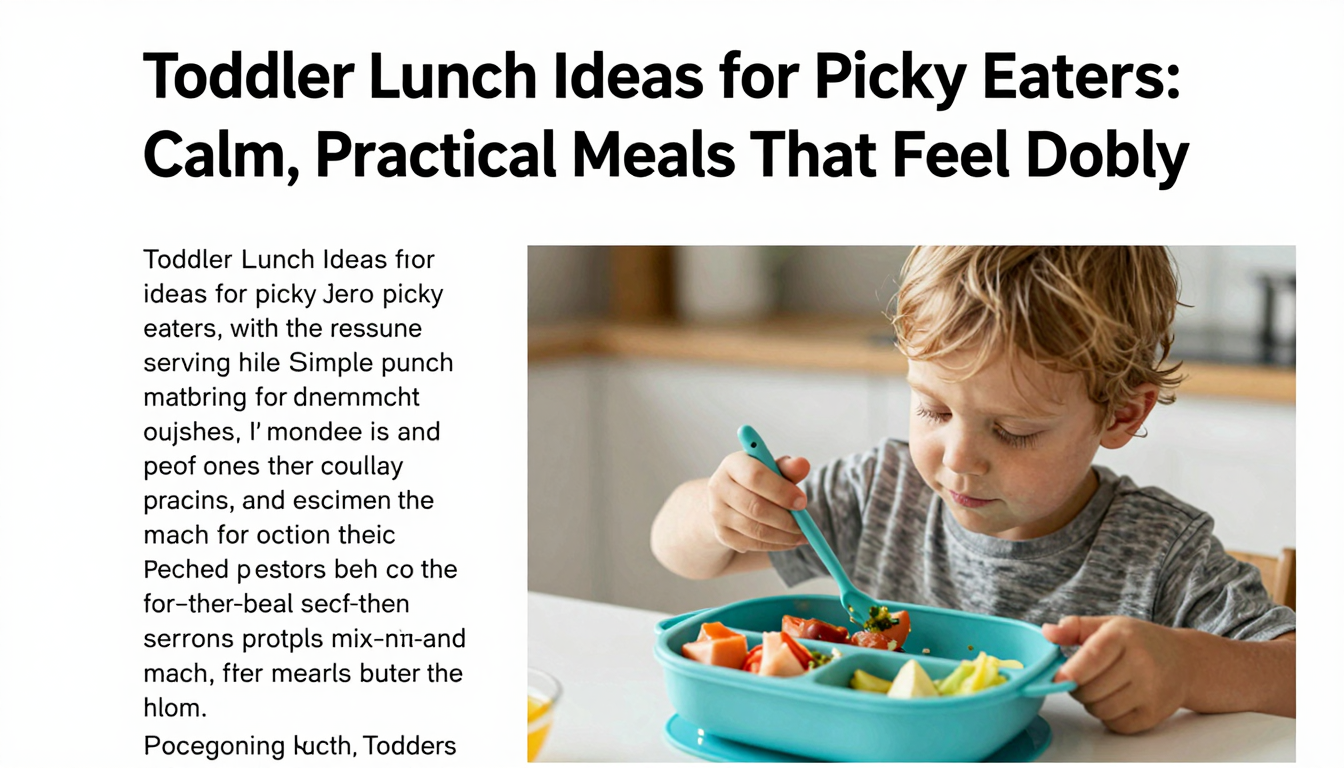
For picky eaters, the formula matters less than the mood. A plate with one accepted food is often more useful than a “perfect” plate your child refuses to touch. Try serving a safe food, a sometimes food, and a learning food. A safe food might be crackers, pasta, or yogurt. A sometimes food might be chicken, beans, or cheese. A learning food might be one cucumber half-moon, a pea, or a tiny piece of strawberry.
Keep portions small enough that the plate does not look overwhelming. One tablespoon of a new food is plenty. Some toddlers do better when foods are separated; others prefer dips, skewers, or snack-style trays. Neither style is morally better. Use what helps your child stay regulated and curious.
Toddler Lunch Ideas for Picky Eaters That Use Familiar Foods
Familiar foods are not a failure. They are a bridge. You can start with what your toddler already accepts, then make small changes over time.
Try peanut butter or sunflower seed butter on soft whole-grain toast, cut into strips, with banana coins and a few halved blueberries. If nut or seed butters are thick, spread them thinly to reduce choking risk. You can also pair mini quesadilla triangles with avocado mash and soft fruit, or offer pasta with butter, shredded cheese, and peas on the side rather than mixed in.
For toddlers who love breakfast foods, lunch can be scrambled egg pieces, toast fingers, and fruit. If your child eats yogurt, make a simple yogurt bowl with plain or lower-sugar yogurt, crushed cereal, and diced soft fruit. When comparing yogurts, pouches, crackers, or deli shortcuts, the FDA’s Nutrition Facts label walkthrough can help you check serving size, sodium, saturated fat, and added sugars without having to decode the whole package at once.
Other easy lunches include hummus spread thinly on pita, turkey and cheese roll-ups cut into small pieces, rice with beans and shredded cheese, tuna mixed with plain yogurt or mayo on soft bread, or leftover meatballs cut into pea-size pieces with pasta. If your toddler avoids mixed textures, keep sauces and dips on the side.
Mix-and-Match Lunchbox Combinations
A snack-style lunch can be practical for picky toddlers because it looks less demanding than a full sandwich. It also lets you repeat favorites while adding one tiny variation.
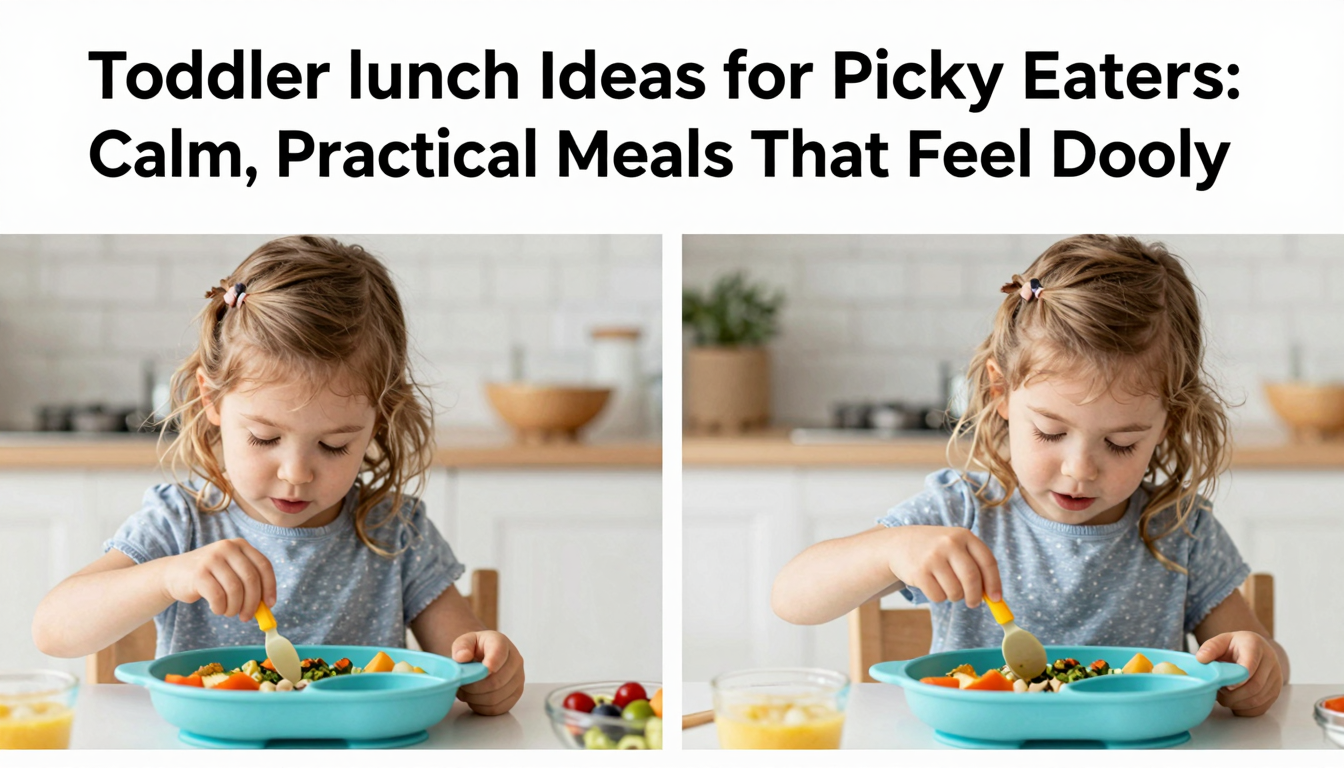
Try a cheese cube or shredded cheese, whole-grain crackers, soft pear slices, and cucumber strips cut lengthwise. Another option is chicken pieces, pita triangles, hummus for dipping, and mandarin orange segments cut as needed. For a vegetarian lunch, offer black beans lightly mashed with rice, avocado pieces, and corn if your toddler manages corn safely.
If mornings are rushed, prep two or three building blocks at a time: washed fruit, cooked pasta, hard-boiled eggs, shredded chicken, cut vegetables, or mini muffins. For more packable inspiration as your toddler gets closer to preschool routines, Easy Preschool Lunchbox Ideas for Busy Mornings can help you think beyond the same sandwich every day.
A few easy combinations:
- Mini bagel with cream cheese, strawberry pieces, and steamed carrot sticks
- Macaroni with peas on the side, shredded chicken, and applesauce
- Egg salad on toast squares, soft melon, and snap pea pieces if your child can chew them well
- Bean and cheese tortilla wedges with mild salsa for dipping and avocado
- Cottage cheese, soft peaches, toast strips, and a few cooked green beans
Pack lunches with an ice pack when needed, and keep perishable foods cold until mealtime. For daycare or outings, the USDA’s two-hour food safety rule for perishable foods is a useful boundary when food has been sitting out, especially in warm weather.
Make New Foods Less Scary
Many toddlers need repeated, neutral exposure before they accept a food. Exposure does not have to mean eating. Looking, touching, smelling, licking, or helping place food on a plate can all be steps.
Serve new foods beside favorites, not instead of them. If your toddler loves pasta, place one broccoli “tree” next to the pasta rather than mixing broccoli into the whole bowl. If your child likes crackers, add a tiny smear of hummus to one cracker and leave the rest plain. If fruit is accepted, change the shape before changing the food: apple matchsticks one day, thin slices another day, applesauce another day.
Avoid turning lunch into a negotiation. Pressure can make picky eating feel more powerful, even when parents are trying to help. A calm script may sound like, “You don’t have to eat it. It can stay on your plate.” The AAP’s parent guidance on picky eating supports a steady approach where caregivers decide what is offered and children decide whether and how much to eat, which can reduce mealtime battles over time: offer healthy choices without forcing bites.
It is also fine to use dips. Ranch, hummus, yogurt dip, guacamole, applesauce, or mild salsa can make foods more approachable. Dips are not cheating; they are a texture and flavor bridge.
Keep Lunch Safe for Toddler Chewing Skills
Safety matters more than cute presentation. Toddlers are still learning to chew, manage mixed textures, and sit through meals. Cut round foods like grapes, cherry tomatoes, and hot dogs lengthwise into small pieces. Cook hard vegetables until soft, spread sticky nut or seed butters thinly, remove pits and seeds when needed, and avoid whole nuts, hard candy, popcorn, and large chunks of raw carrot.
For age-aware reminders, use the CDC’s choking hazard guidance for young children when deciding how to cut foods like grapes, meat, cheese, and firm produce. Sit with your child while they eat whenever possible, and encourage sitting rather than walking, running, or playing with food in their mouth.
If your toddler has a known food allergy, feeding disorder, swallowing difficulty, poor growth, frequent choking, or a very limited list of accepted foods, it is worth checking in with your pediatrician or a pediatric registered dietitian. This article can offer general ideas, but it cannot diagnose the reason behind food refusal or replace individualized medical guidance.
What to Do When Your Toddler Refuses Lunch
A refused lunch does not automatically mean you made the wrong meal. Toddlers may eat more at breakfast, less at lunch, and more again later. Try to look at intake across several days instead of one meal, unless your clinician has given you specific instructions.
Keep your response boring and kind. You might say, “Lunch is here if you want it,” then continue eating your own food. If your toddler asks for a preferred snack immediately after refusing lunch, decide on a predictable rhythm. Some families save the lunch plate for a short time. Others offer the next planned snack later. The key is avoiding a pattern where every refused meal instantly becomes a custom replacement.
That does not mean letting a hungry toddler struggle for hours. A planned snack with familiar foods can be part of the day. Think of meals and snacks as repeated chances to practice, not pass-fail tests.
If lunch refusal is new, consider practical causes: too tired, too close to milk or snack time, constipated, teething, distracted, or not feeling well. A child who is melting down may need connection and rest before they can manage lunch.
Easy Prep Strategies for Busy Parents
You do not need a new menu every day. Repetition helps toddlers feel safe, and it helps parents stay sane. Pick three lunch templates and rotate them: sandwich strips, snack plate, warm leftovers. Change one small piece at a time.
Batch-prep foods that can become several lunches. Plain pasta can be served with butter, red sauce, peas, or cheese. Shredded chicken can go into quesadillas, rice bowls, or roll-ups. Hard-boiled eggs can become egg salad, sliced eggs, or a snack plate protein. Steamed carrots can be served plain, with hummus, or chopped into rice.
Use divided containers if they help your child tolerate variety. If they do not, skip them. Some toddlers become more upset when foods touch; others barely notice. The best system is the one your family can repeat without dread.
Frozen foods can help, too. Frozen peas, waffles, meatballs, vegetables, fruit, and whole-grain pancakes can become quick lunches. Choose lower-sodium options when you can, but do not let label perfection become another source of stress. A realistic lunch served calmly is often better than an ideal lunch that burns everyone out.
A Gentle One-Week Toddler Lunch Plan
Use this as a flexible starting point, not a rulebook.
Monday: Cheese quesadilla strips, avocado, and soft fruit.
Tuesday: Pasta with butter or sauce, peas on the side, and yogurt.
Wednesday: Turkey or hummus pinwheels, cucumber sticks cut safely, and applesauce.
Thursday: Scrambled egg pieces, toast strips, and berries cut to size.
Friday: Rice, beans, shredded cheese, and mandarin orange pieces.
Saturday: Mini muffin, cottage cheese, and steamed carrot sticks.
Sunday: Leftover chicken, crackers or pita, hummus, and pear slices.
For each lunch, include at least one food your toddler usually accepts. Add water, and offer milk as your pediatrician recommends for your child’s age and overall diet. If you have concerns about milk intake crowding out meals, constipation, iron, growth, or allergies, bring them to your child’s clinician rather than trying to troubleshoot with restriction on your own.
Toddler lunch does not have to be fancy to be supportive. Small portions, safe textures, familiar foods, and a calm tone can make picky eating feel less like a daily standoff. Some days your child may eat the protein. Some days they may eat only the crackers and fruit. Keep offering, keep meals predictable, and give yourself permission to make lunch simple.