
Potty Training Readiness Signs for Toddlers: A Calm Parent Guide
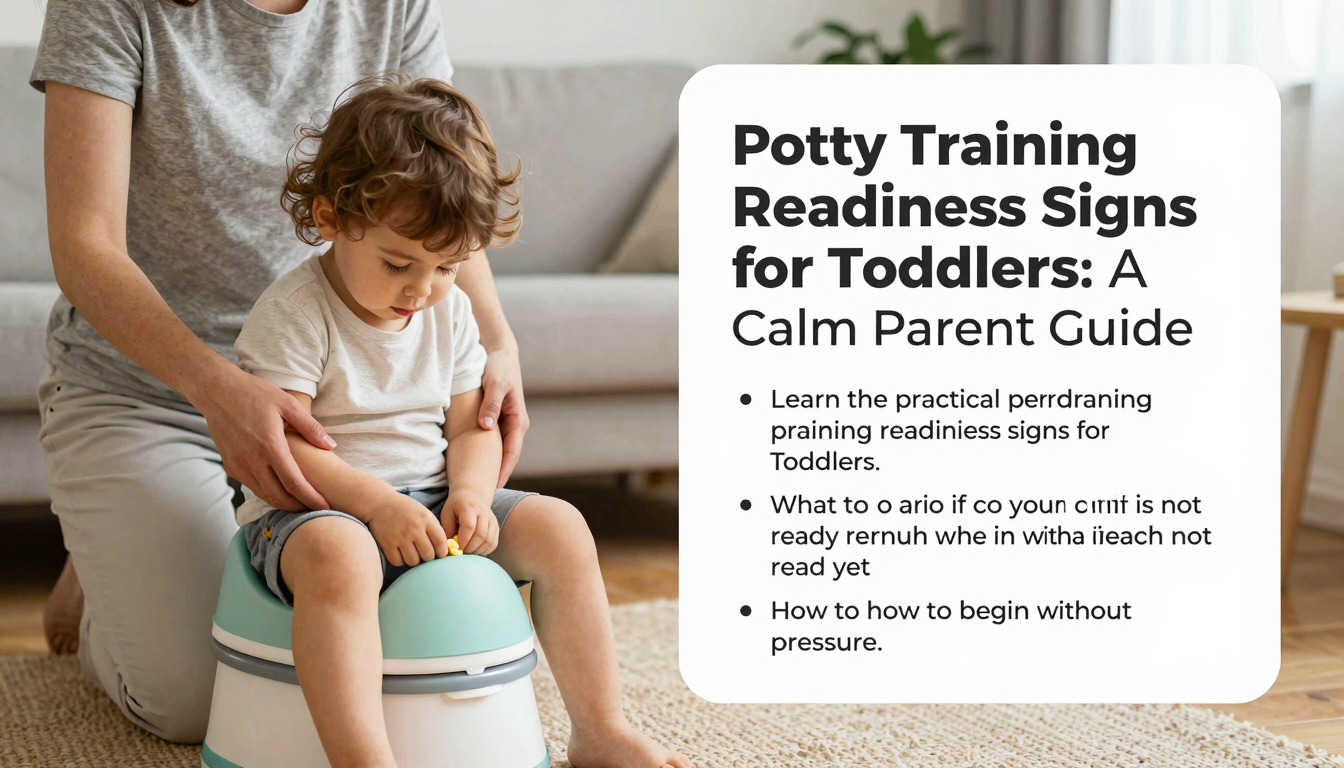
Potty training is easier to approach when you treat it as a developmental skill, not a deadline. One toddler may show interest before age 2, while another may need more time. Both can be normal. The better question is whether your child is showing enough physical, cognitive, and emotional readiness to begin without constant pressure.
Readiness does not mean potty training will be quick or accident-free. It means your toddler is starting to notice body signals, understand the routine, communicate needs, and tolerate a new expectation. Watching for these clues can make the process calmer for both of you.
Why Readiness Matters More Than Age
Many toddlers show some potty interest between 18 months and 3 years, but the range is wide. The American Academy of Pediatrics says toilet training works best when it is based on developmental readiness rather than a strict age, according to HealthyChildren.org guidance on toilet training.
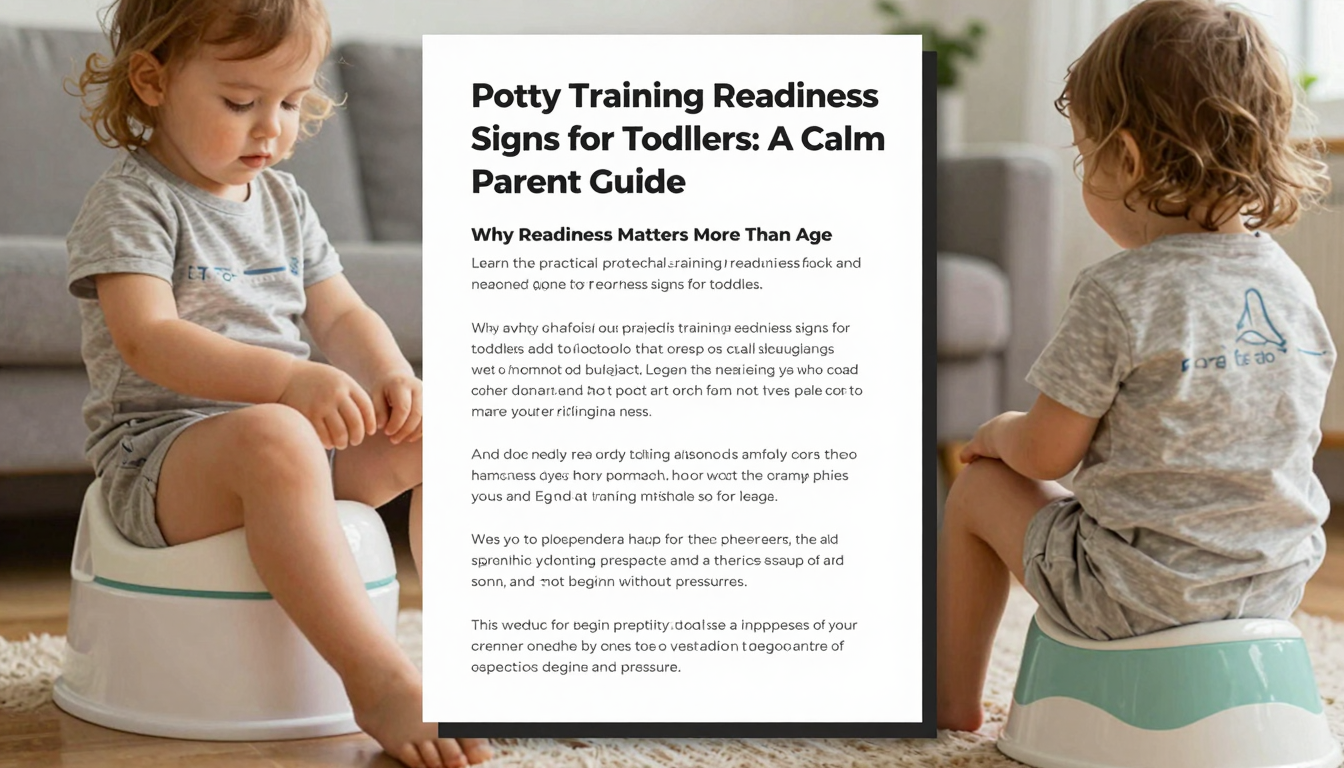
Potty training asks a lot from a young child. They must notice the urge to pee or poop, stop what they are doing, communicate, get to the bathroom, manage clothing, sit, and relax their body. That is a long chain of skills for a toddler who is still building impulse control and language.
Starting too early is not a parenting failure, but it can create resistance, anxiety, or withholding. Readiness is also not all-or-nothing. Your child may be ready to sit on a potty with clothes on, practice before bath, or pee occasionally, while still needing diapers for naps, outings, or bowel movements.
Physical Readiness Signs to Watch For
Physical readiness means your toddler’s body is beginning to support toileting. One helpful sign is staying dry for longer stretches, such as after a nap or for a couple of daytime hours. This can suggest maturing bladder control, though accidents will still happen.
A more predictable poop pattern can also help. If your child often poops around the same time each day, you may have a natural chance to offer the potty. Some toddlers pause, squat, hide, or make a familiar face before pooping. These cues show body awareness, even if your child is not ready to act on it yet.
Your toddler should be able to sit steadily and comfortably. A small potty lets many children rest their feet on the floor. If you use a toilet insert, a footstool can help your child feel secure and relax enough to pee or poop.
Clothing matters more than parents expect. Your child does not need to dress independently, but elastic-waist pants are easier than overalls, tight leggings, buttons, or one-piece outfits. Simple clothing reduces frustration when your toddler is rushing or still learning the steps.
Watch for constipation before and during potty training. Hard, painful, or infrequent stools can make children avoid pooping and may lead to withholding. The National Institute of Diabetes and Digestive and Kidney Diseases explains that constipation in children can include painful bowel movements, stool withholding, or very hard stools, and persistent or concerning symptoms should be discussed with a healthcare provider, according to NIDDK information on constipation in children. If pooping seems painful, talk with your child’s pediatrician before pushing training.
Cognitive and Communication Readiness Signs
Potty training is not only about bladder control. Toddlers also need enough understanding to connect body feelings with bathroom actions. A useful sign is the ability to follow simple one- or two-step directions, such as “come to the bathroom” or “pull down your pants.” Perfect listening is not required, but your child should understand basic routines.
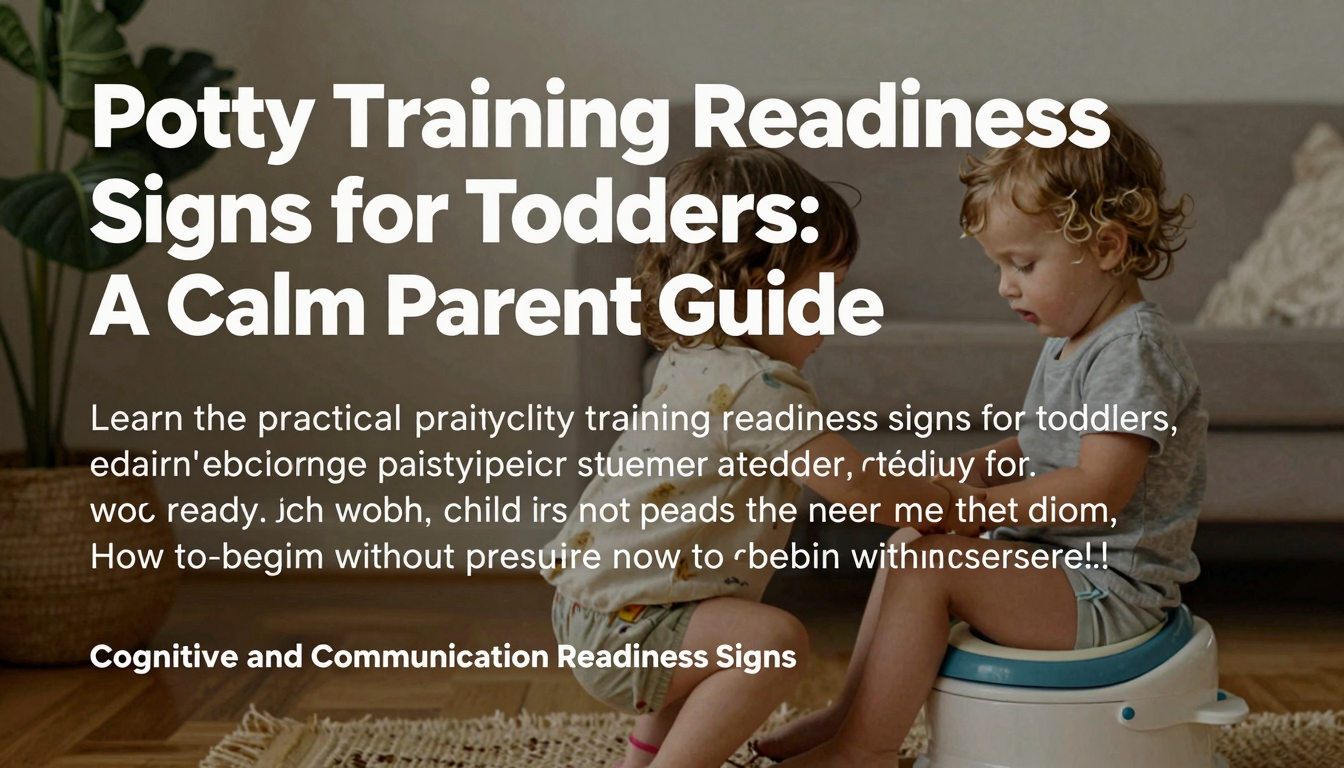
Communication can be spoken, signed, gestured, or shown through behavior. Some toddlers say “pee,” “poop,” “potty,” or “diaper.” Others point, bring a diaper, tug at wet clothing, or use a consistent expression. The Centers for Disease Control and Prevention includes communication and following simple instructions among toddler developmental skills over time in its developmental milestones for young children. Focus on whether your child can make needs known in a reliable way.
Interest in bathroom routines is another clue. Your toddler may follow you into the bathroom, want to flush, ask questions, or pretend a doll is using the potty. Curiosity alone is not readiness, but it gives you a gentle opening. Use simple language: “Pee goes in the potty” or “Your body is telling you poop is coming.”
If your child is still learning body words, Encouraging Toddlers to Identify Their Body Parts: Fostering Early Cognitive and Language Skills can fit naturally with early potty conversations.
Awareness often develops in stages. A child may first announce a poop after it happens, then begin noticing during, and later recognize the urge beforehand. Each step counts.
Emotional Readiness and Temperament
Emotional readiness is often the difference between practice and a power struggle. Potty training involves independence, body privacy, and letting go of a familiar diaper routine. Some toddlers enjoy that shift. Others feel unsure or threatened by it.
Look for willingness to participate. Your child may ask to sit, want underwear, enjoy washing hands, or beam when praised for trying. Gentle interest is a stronger signal than pressure. If your toddler screams, stiffens, cries, or refuses to enter the bathroom, pause and lower the demand.
Temperament matters. A cautious toddler may need to sit fully clothed for several days or weeks. A highly active toddler may do better with very short sits. A strong-willed toddler may respond better to limited choices, such as “Do you want to sit before bath or after bath?” instead of an open-ended yes-or-no question.
Major life changes can also affect readiness. A new sibling, move, illness, travel, child care change, or family stress may make potty training harder. If interest disappears during a transition, slowing down is reasonable.
Avoid shame, teasing, or punishment for accidents. Calm language keeps the bathroom from becoming a battleground: “Your pants are wet. Let’s get dry clothes. Next time, pee goes in the potty.”
Signs Your Toddler May Not Be Ready Yet
Waiting can be the kindest choice. Your toddler may need more time if they have no awareness of wet or dirty diapers, cannot stay dry for any meaningful stretch, cannot follow very simple directions, or seems frightened by the toilet. Strong resistance is also a sign to step back.
Frequent constipation, painful poops, or stool withholding are reasons to pause and ask your pediatrician for guidance. Medical advice is especially important if you notice blood in stool, ongoing belly pain, vomiting, poor weight gain, pain with urination, frequent urination, extreme thirst, blood in urine, or sudden loss of skills after consistent training.
Parents need readiness too. Potty training usually means extra laundry, more bathroom trips, and consistent responses. If your household is in survival mode, waiting a few weeks is not failing your child.
Accidents after early success do not always mean true regression. Excitement, fatigue, illness, constipation, or routine changes can all lead to setbacks. Responding briefly and kindly helps your child move on.
How to Gently Encourage Readiness
You can build readiness without forcing full training. Place a small potty where your child can see it, let them sit fully clothed, and read a simple potty book. Treat the potty as a normal household tool, not a test.
Use clear, neutral words: pee, poop, potty, wet, dry. Avoid calling poop “gross” or accidents “bad.” Toddlers learn best when body functions are treated as normal.
Build small habits first. Invite your child to wash hands after diaper changes, help pull pants up, or flush if the sound does not scare them. These steps make the bathroom routine predictable before you expect full potty use.
Offer short sits at natural times, such as after waking, before bath, or before leaving home. Keep them brief and never hold your child on the potty against their will. If nothing happens, say, “Your body isn’t ready yet. We can try later.”
Praise cooperation more than output. “You listened to your body” or “You sat and tried” creates less pressure than celebrating only pee or poop. If you use rewards, keep them simple and avoid making your child feel they failed when their body does not perform on command.
When to Start and What to Expect
A good time to begin is when several readiness signs have been present for a while and your household can support a predictable routine. You do not need every sign. A toddler who stays dry sometimes, communicates basic needs, shows curiosity, and is willing to sit may be ready for a gentle start.
Before switching to underwear, decide how you will handle naps, outings, and child care. Some families begin with relaxed potty practice while keeping diapers. Others choose a focused stretch at home. There is no single correct method for every toddler.
Expect accidents. They are part of learning, not proof that you started wrong. Keep cleanup boring and kind so accidents do not become emotionally loaded.
Nighttime dryness is separate from daytime training. Many children need diapers or training pants at night after they are dry during the day. Bedwetting in young children is often related to sleep depth, bladder development, and nighttime urine production, not laziness. If you have concerns about pain, symptoms, age, or sudden changes, your pediatrician can help.
Potty training is a learning process, not a parenting test. When you follow readiness signs, keep routines simple, and respond with calm consistency, you give your toddler a safer, steadier path toward this new skill.